Why Women in Midlife Need a More Personalized Approach to Healthcare

Women in their 40s and 50s are describing symptoms that have disrupted their sleep, clouded their thinking, and altered their mood — and leaving appointments without answers. The problem isn't that the symptoms are mysterious. The problem is that the standard healthcare system is structurally unprepared to connect the dots.
Last updated: May 2026
For National Women's Health Week, the U.S. Office on Women's Health chose the theme "Prevention, Innovation, and Impact: A New Era in Women's Health." The theme arrives at a moment when the conversation around midlife women's health is finally gaining the scientific and cultural weight it deserves. For women navigating perimenopause and menopause, though, this shift cannot come soon enough. Across the country, women in their 40s and 50s are sitting in exam rooms, describing symptoms that have disrupted their sleep, clouded their thinking, altered their mood, and reshuffled their sense of themselves, and leaving without answers. The problem is not that their symptoms are mysterious. The problem is that the standard healthcare system is structurally unprepared to connect the dots.
The Scope of What Women Are Experiencing
Perimenopause typically begins in a woman's mid-40s and can last, on average, around four years, though for some women the hormonal transition spans closer to a decade. The symptom picture is far broader than most patients expect and far broader than most providers are trained to address.
Sleep disturbances affect 70 to 80 percent of women during the menopause transition, frequently occurring independently of hot flashes. Fatigue is reported by 65 to 75 percent of menopausal women. Perimenopausal women carry a 40 percent higher risk for depressive symptoms compared to premenopausal women. Brain fog, difficulty with word recall, and disrupted concentration are common enough that researchers have studied the cognitive impact as a distinct clinical phenomenon.
What makes this particularly frustrating for women seeking care is that these symptoms rarely arrive one at a time. A woman describing poor sleep, weight changes, low libido, mood shifts, and difficulty concentrating is not presenting four separate problems. She is describing a single hormonal transition with multiple physiological expressions. But in a 15-minute primary care appointment, that full picture rarely gets addressed.
The Training Gap That Explains the Care Gap
The disconnect between what women experience and what they receive from their physicians is not accidental. It reflects a documented gap in medical education. A 2019 Mayo Clinic survey of medical residents across family medicine, internal medicine, and obstetrics and gynecology programs found that only 6.8 percent of respondents felt adequately prepared to manage women experiencing menopause. More than 20 percent reported receiving no menopause lectures at all during their residency training.
Even though most women in the U.S. will spend over a third of their lives in menopause, perimenopausal and menopausal symptoms remain underreported, underscreened, and undertreated, with untreated symptoms contributing to a significant decrease in quality of life and an estimated $1.8 billion annually in lost work productivity.
This is the structural reality that the standard healthcare model has inherited. Women presenting with midlife symptoms often see multiple providers, receive fragmented guidance, and leave feeling dismissed. As Mayo Clinic researchers noted in a 2025 study, menopause is universal for women at midlife, the symptoms are common and disruptive, and yet few women are receiving care that could meaningfully help them.
What "Personalized" Actually Means in Practice
When this practice talks about personalized care, it is not a marketing term. It describes something clinical and structural: the ability to spend enough time with a patient to understand her full health picture, track changes across visits, and build a care plan that evolves with her.
The contrast with standard-model primary care is significant. In a traditional practice, a physician serves a panel of 1,500 to 2,500 patients. Appointment slots are designed to address one or two concerns. There is rarely time to explore the relationship between a patient's sleep quality, her cardiovascular risk, her bone density trajectory, and her hormonal status, even when those threads are deeply connected.
In a concierge primary care model, that kind of longitudinal, connected care is exactly what the structure allows. Appointments run longer. Follow-up is accessible. The physician knows her patients well enough to notice what has changed. For women in midlife, that continuity is not a luxury. It is clinically meaningful.
Why Midlife Is the Right Time to Prioritize Prevention
One of the most important reframes in current women's health research is the understanding that midlife is not simply a chapter to manage. It is a window. The choices made during the perimenopause and early menopause years have measurable downstream effects on cardiovascular health, bone density, cognitive function, and metabolic stability.
The 2026 National Women's Health Week theme reinforces this directly: addressing risk factors early, especially in midlife, can improve long-term health outcomes. For women who have spent the prior decade focused on career, family, and managing appointments for everyone but themselves, this framing can feel like a shift in permission. Prevention is not about fear. It is about using information while the window is open.
Specific areas where midlife prevention matters most:
Cardiovascular health. Estrogen has a protective effect on the cardiovascular system. As levels decline, a woman's cardiac risk profile shifts. Addressing blood pressure, cholesterol, inflammation markers, and lifestyle factors during this window is not premature; it is precise.
Bone health. The most rapid phase of bone density loss occurs in the years immediately surrounding menopause. Baseline bone density screening and early intervention, where appropriate, can significantly alter a woman's fracture risk decades later.
Metabolic health. Insulin sensitivity, weight distribution, and metabolic function all change during the menopause transition. Understanding a patient's metabolic baseline allows for early course correction rather than reactive management.
Brain health. Cognitive changes during perimenopause are real and hormone-related. Addressing sleep quality, hormonal stability, and cardiovascular risk factors during midlife supports long-term cognitive function.
Sexual health. Genitourinary changes, including vaginal dryness, discomfort with intercourse, and changes in bladder function, are common and very treatable. They are also among the most underreported symptoms because patients often assume nothing can be done. Evidence-based treatment options exist and can significantly improve quality of life.
The MSCP Credential: Why It Matters for Patients
Not all primary care physicians have the same depth of training in menopause medicine. The Menopause Society Certified Practitioner credential, awarded by The Menopause Society (formerly NAMS), is one of the clearest signals in the field that a provider has made a specific, tested commitment to staying current on menopause science.
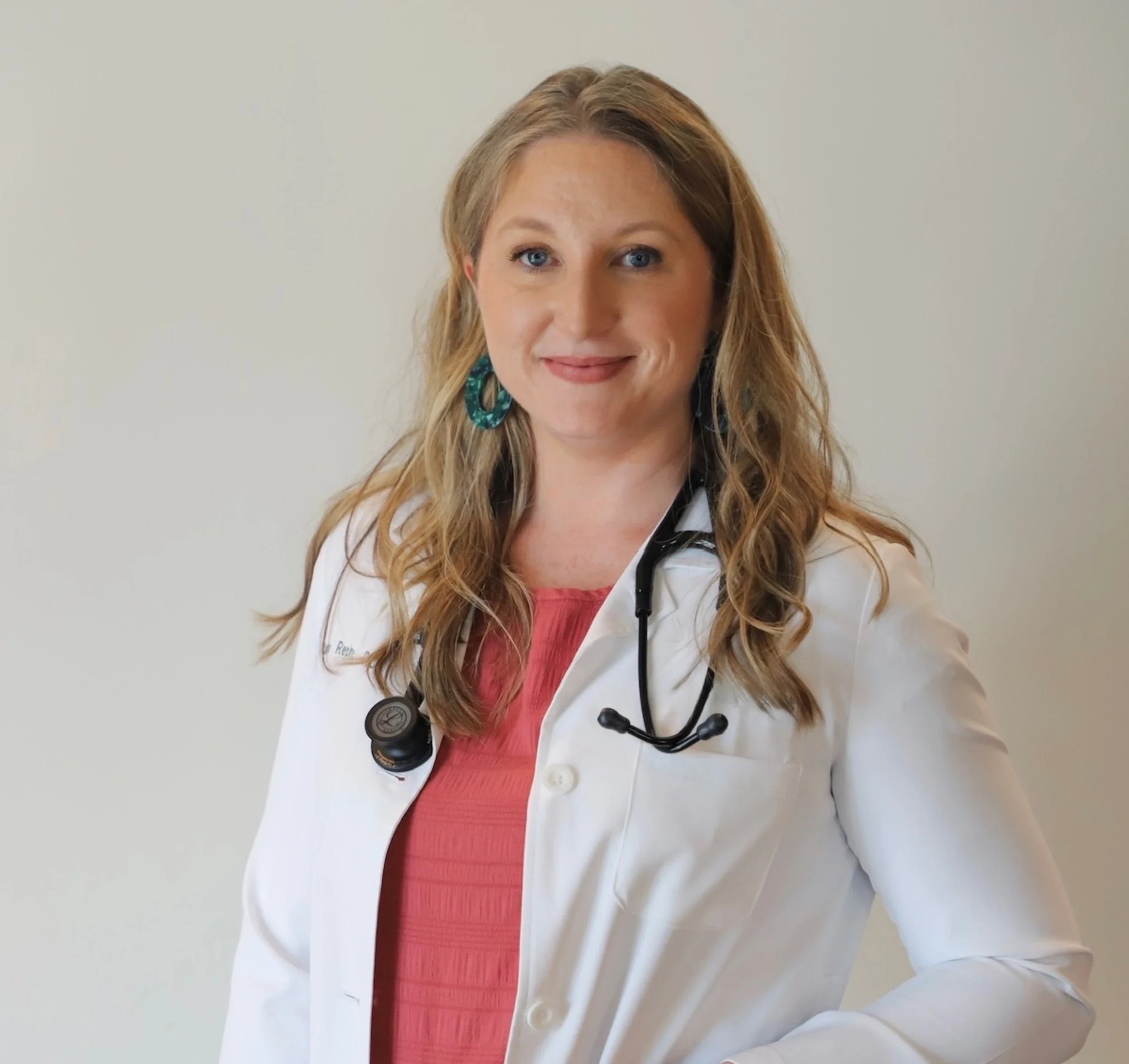
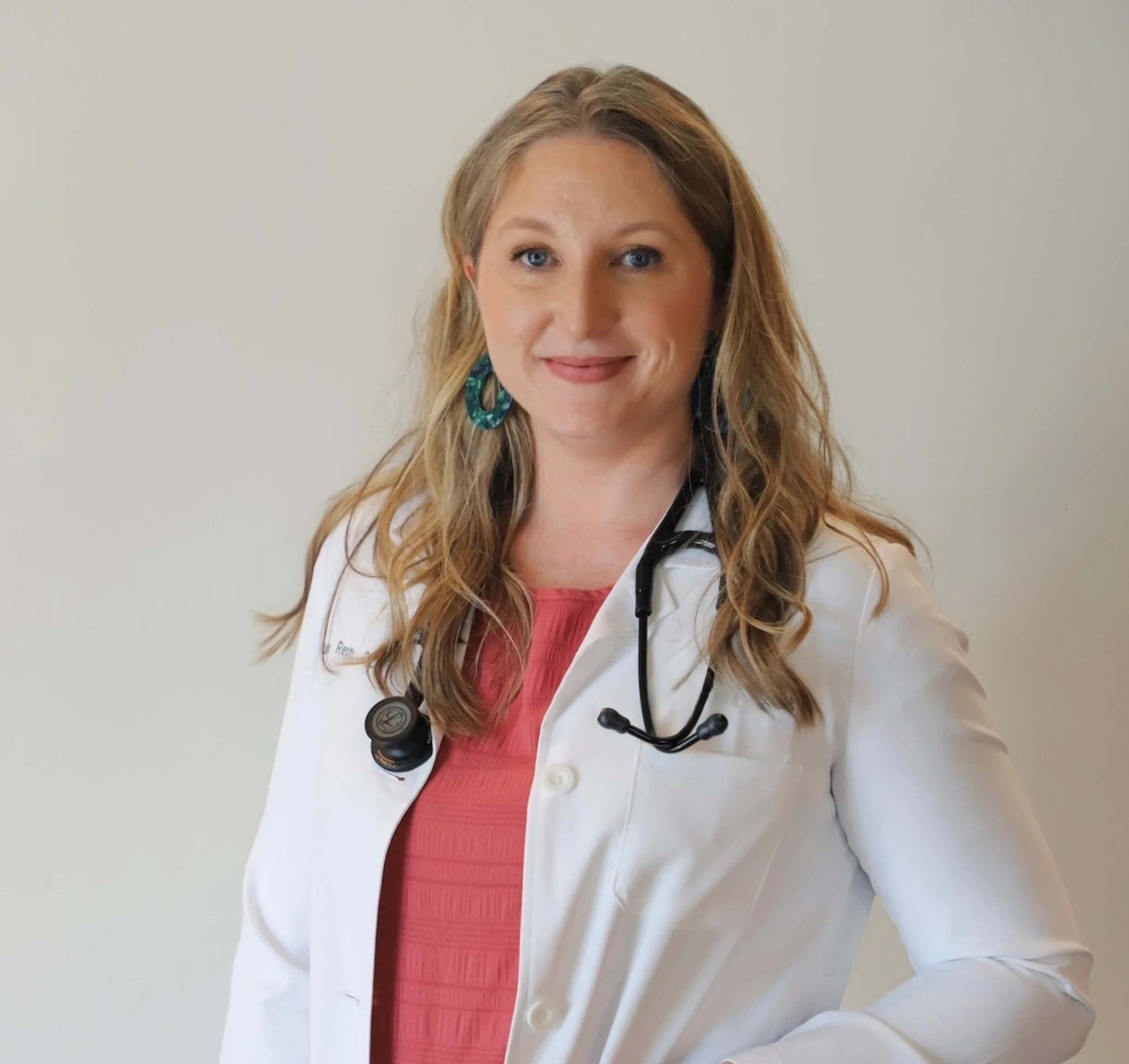
Dr. Claire Repine, DO, MSCP, holds this credential. For women in Chapel Hill, Durham, and the surrounding Research Triangle area who are navigating midlife health changes, that distinction matters. It means her patients are receiving care informed by the current evidence on hormone therapy, non-hormonal treatment options, cardiovascular risk during the menopause transition, and the full spectrum of symptoms that accompany this phase of life, not guidance rooted in outdated assumptions or insufficient training.
What Women in Chapel Hill Deserve from Their Healthcare
Chapel Hill is a community shaped by research, by education, and by patients who come to appointments having already read the primary literature. Women here are accustomed to asking good questions. They deserve a physician who has the time, the training, and the clinical framework to answer them fully.
The women who tend to benefit most from this kind of relationship-based concierge care include:
Women in their 40s who are noticing changes in sleep, energy, mood, or cycle regularity and want answers before symptoms progress
Women in their 50s who are in or approaching menopause and want a provider who will address the full picture, not just isolated complaints
Women who have felt dismissed or rushed in prior healthcare settings
Women managing multiple health concerns who want a physician who can coordinate their care and hold the long view
Families looking for a primary care model that serves every member thoughtfully, with the same depth of attention
What the Research Points Toward
The conversation around women's midlife health is changing. More research is being published, more training resources are being developed, and more women are demanding better from their healthcare providers. But at the level of the individual appointment, the translation from research to clinical practice still depends on the physician in the room.
The 2026 National Women's Health Week theme calls for moving beyond fragmented care toward prevention, early detection, and better health outcomes through more connected, preventive, and person-centered care. That is not a distant policy aspiration. It describes exactly what well-structured, menopause-informed concierge primary care can provide today.
If you are a woman in the Chapel Hill or greater Research Triangle area who is noticing changes and looking for a physician who has the time and the training to take them seriously, this practice is worth a conversation. The care your health deserves does not have to wait.